Ilmagwon Orphanage

Memories of Ilmagwon

I couldn’t take care of every child in the orphanage

by Kathryn Spurgeon
             

Our plane was beginning its descent into Seoul, and I couldn’t believe it was finally happening. Forty years since I landed as a young wife in South Korea, I was returning with my three adult daughters by my side.

              Throughout the flight, I’d thought about that first trip in 1972, when I’d accompanied my husband to his assignment at the Kunsan Air Base, located about 110 miles south of Seoul. It was an unaccompanied tour, which meant there were no accommodations for spouses. I stayed outside the U.S. Air Force base with a handful of other American wives who were in the same situation.

One of them had adopted the most adorable baby from the Ilmagwon Babies Home nearby, and I was immediately smitten. My husband and I longed to start a family, but so far we’d had no success. We talked it over and visited the orphanage as soon as we could.

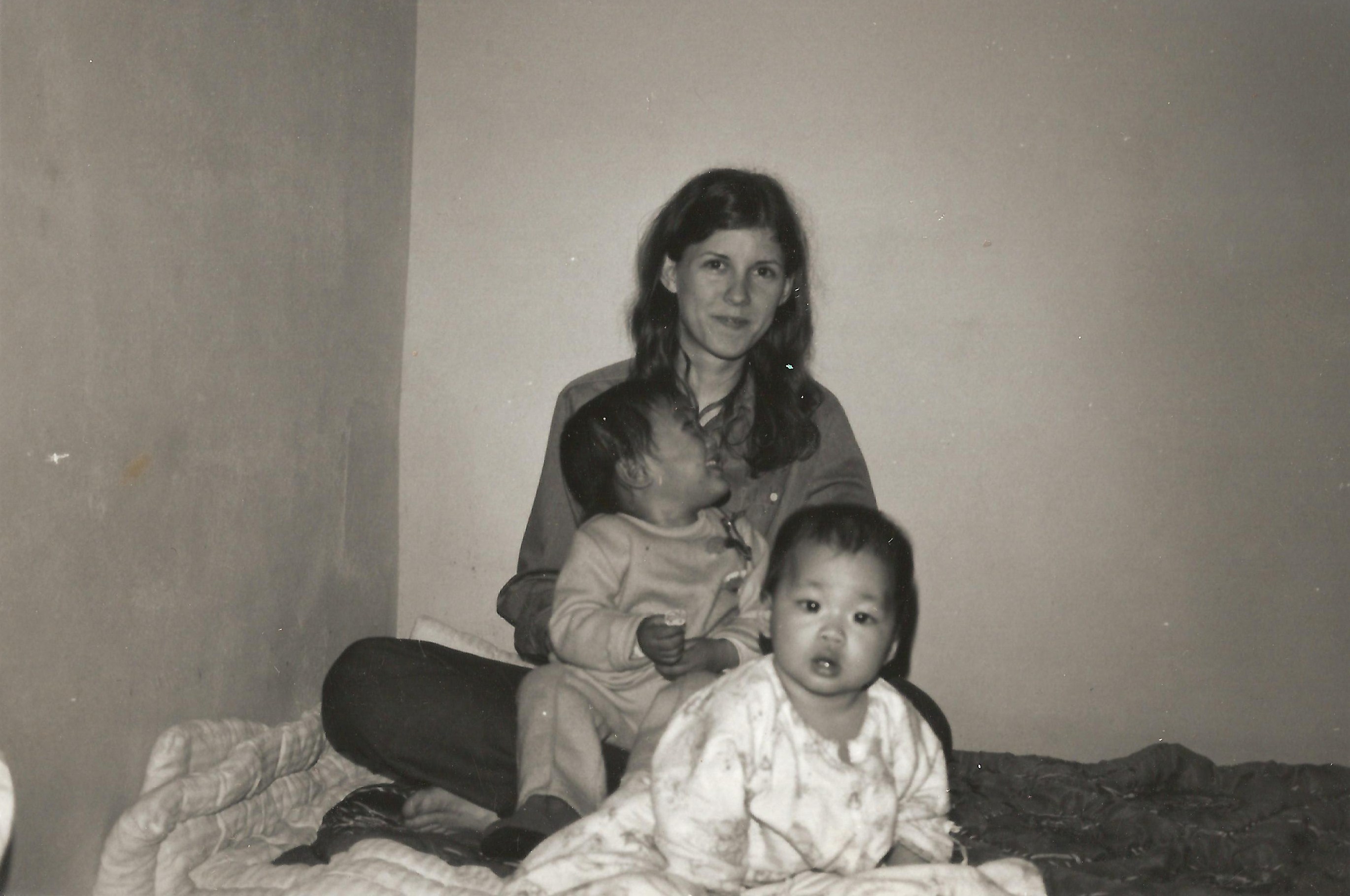
The orphanage was run by a wonderful couple, Mr. Kim and Mrs. Park. They introduced us to newborns and crawlers, toddlers and the oldest children, who were only five. My husband and I spent most of the afternoon entertaining a group of months-old babies, all lying on the floor on blankets. One little girl in particular stood out.

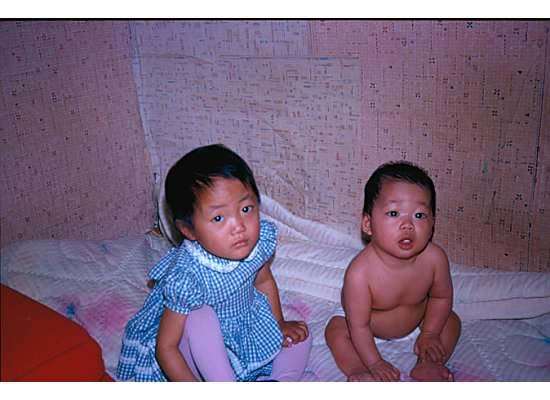
I folded up my airplane blanket and looked over at my daughter Treasure. She had been #134 in the log at the orphanage, her number in the thick album where Mrs. Park kept a record of each child who came into her care. At five months old, Treasure seemed to choose my husband and me. She stole our hearts. Mr. Kim allowed us to start the adoption right away.

              Still, I continued to visit the orphanage, drawn to the other children who needed love and attention too. Their caretakers were overwhelmed. Even the five-year-olds pitched in, bottle-feeding babies or doing their best with a fresh diaper.

One morning, Mr. Kim brought in a shy two-year-old girl who’d been found wandering the streets alone with no one to claim her. She was #141 in Mrs. Park’s album and eventually came to be our daughter Gina. We couldn’t take care of every abandoned child at Ilmagwon, but we wanted to take care of this one too.

              We waited impatiently for the adoptions to be finalized. So that I could be closer to my girls, Mr. Kim offered me a bed at the orphanage in an upstairs room used as a library. Of course I didn’t ignore the other children or the chores that needed doing. Sometimes I just walked the floors, holding one child, then another, singing to them, praying for them, telling them they were loved.

No matter how much I did, it never seemed to be enough. Especially when an epidemic of measles swept through Ilmagwon. The newborns were at terrible risk. I said a prayer of thanks when one of the infants’ adoptions went through faster than usual. At least one of them had a chance of surviving. Or so I thought. The baby died before her new mother arrived. When the heartbroken couple chose another child to keep safe and love, I found some reassurance that God was watching over all his children, no matter what.

Finally, Treasure’s and Gina’s adoptions were official. Better yet, we were able to live together as a family for our last year in Korea. We returned to the U.S. in 1974 and settled in Oklahoma. As excited I was, I realized that a piece of my heart would always remain in Korea with the children of Ilmagwon. Even after I gave birth to a third daughter, Mistie, I didn’t stop praying for the children I left behind.

At home, my daughters’ bedtime stories were all about Ilmagwon. Mistie, who had never been to Korea, loved to hear how our family came to be. Many nights, we sat around the dinner table with our favorite meal of kimchi and bulgogi and talked about those days.

So much had changed in the intervening years. My daughters had grown up and made me a grandmother; their father and I had divorced; I was remarried and retired. Yet here we were, Treasure, Gina, Mistie and me, stepping off the plane in Korea.

We toured pagodas in Seoul and saw the Deoksu Palace, bought women’s hanboks and ate the best kimbaps of our lives. But the real high point was our visit to Ilmagwon. My daughters’ bedtime stories came to life.

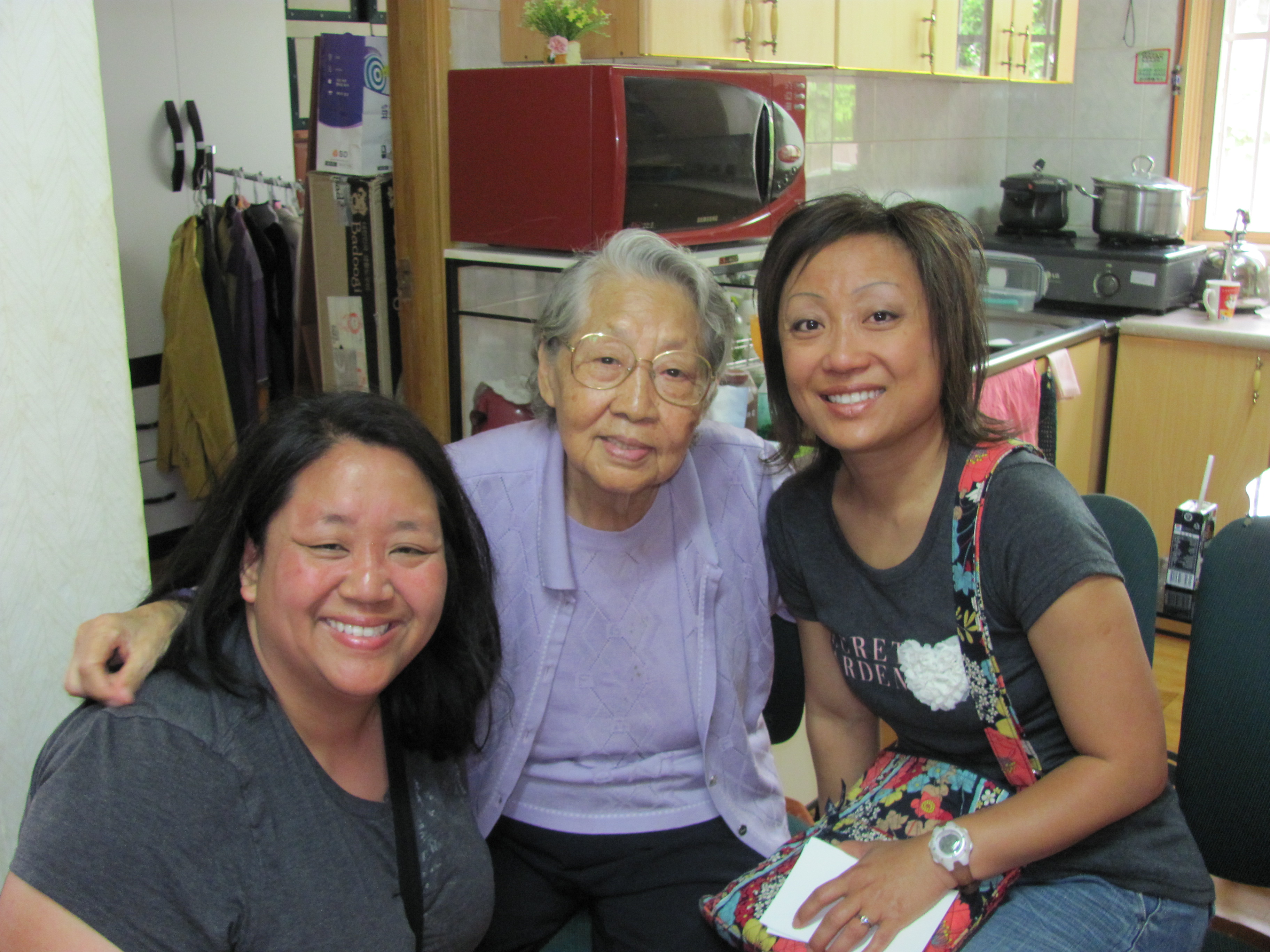
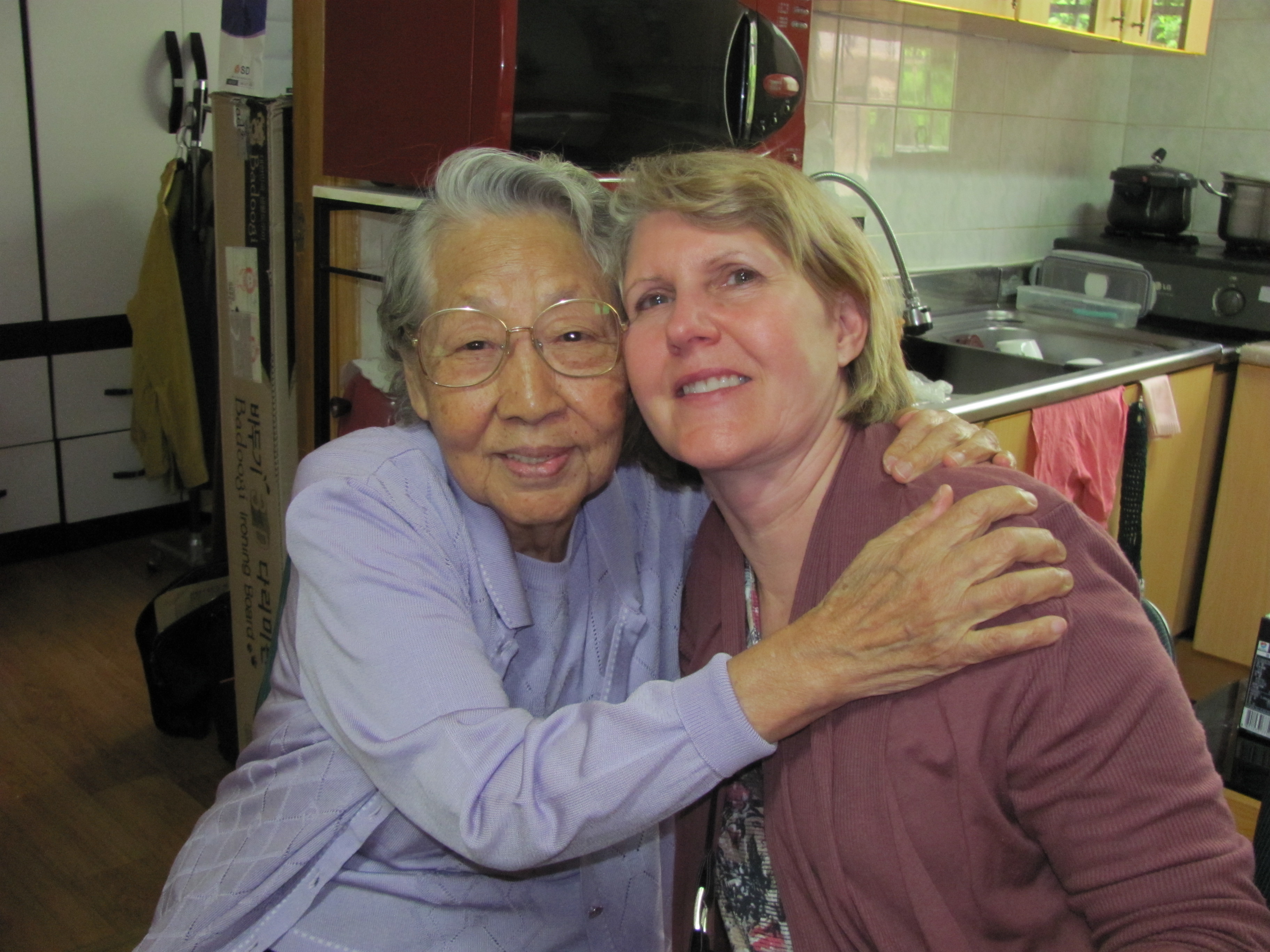
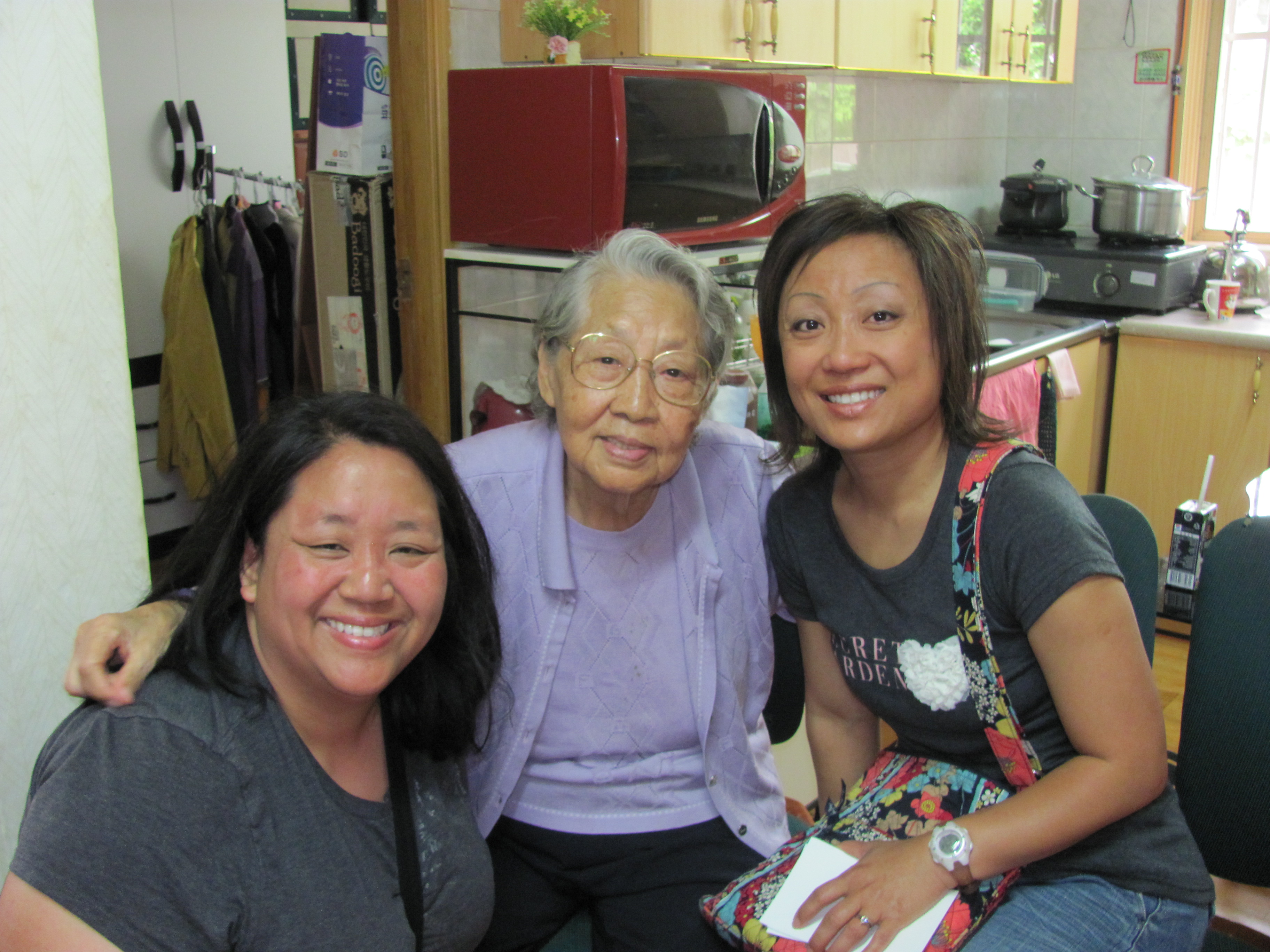
Mr. Kim’s son now ran the orphanage. Mrs. Park was retired, like me. Still, she met us for tea and cookies. “I wouldn’t have missed it for the world,” she said. Together, we looked through the old album. With every turn of a page, the little faces brought back memories of lullabies and prayers. So many prayers.

Treasure and Gina pored over their own pages marked for children #134 and #141. Mistie pointed out all the ways her grown sisters were recognizable in their baby selves.

We went through the album slowly. I closed my eyes and took a long breath. Where are all these babies now, Lord? Part of me had never stopped asking, even though the answer was only for God and his guardian angels to know.

I couldn’t wait to tell others about our wonderful trip and got online to share our family’s story even before we left. “The memories will last a lifetime!” I wrote. The post received several shares and comments. One name was unfamiliar, Angela Hendricks from California.

“I lived at Ilmagwon the same time as your daughters,” she wrote. “I’m #140.”

Angela was one of the babies I’d rocked and held! She acted fast when I told her we had a layover in San Francisco on our way home. She drove to the airport to meet us! We ran into one another’s arms like long-lost family. Angela and my daughters told of their lives growing up in the U.S. “I never tired of hearing how my sisters were meant to be,” Mistie said.

“My mother often talked about finding me too,” Angela said. “In fact, she’d been promised a different baby. Sadly, that baby died in a measles epidemic before she got there. That’s how she came to choose me.”

I caught my breath. Angela was the very baby whose adoption gave me a glimmer of hope for all the rest. Now here she was, happy and healthy. God’s answer to a question I’d been asking for so long. And she wasn’t the only one.

Other Korean adoptees chimed in on my post about the trip. One by one, former Ilmagwon babies checked in. They wrote from Oklahoma, California, Alabama, Kansas, Texas, New Jersey, Arkansas. We keep in touch to this day. They remind me to trust that is God answering even big, sweeping prayers, but in his own time, in his own way.

Guideposts published in Angels on Earth Mar/Apr 2025

Reprinted by permission

When children are taken away from their country

Should children be removed from their culture, adopted, and taken to another country, thereby losing their heritage?ry=480[3] (3) I recently encountered this question and wanted to add my tidbit, because, certainly, there are plus and minuses.
I lived in an orphanage in South Korea when I was twenty-one and adopted two baby girls. In the 1970’s I brought them back to Oklahoma, USA, where they grew up.

My daughters lost the ability to speak (or write) their native language; even if they learned it, they would have an accent. They never heard the stories that cultures pass down to the next generation; and they lost their history, their biological families, and a proud devotion to their country. They lost the taste for their native food – although it was acquired, it won’t be eaten on a daily basis. They lost so much. So, the question is: should we uproot children and take them away from their bloodlines?

Let’s look at the other side. What did the children gain?

Mixed race children were not accepted in Korea, so some children would be outcasts. Ten girls were abandoned to every boy, leaving many abandoned girls. Many of the abandoned boys were handicapped in some way. Adoption was not accepted in Korean culture. Admittedly, the culture should be changed, but at that time, South Korea was unable to take care of all the children being abandoned. Simply put, the orphanages were full. And the same can be true of babies in other cultures at different times throughout their history. Nations go through difficult days when they can’t care for their own. Should we ignore that?

So, should a child be left to grow up in an orphanage, or placed with a family who will treat them as their own? You know my opinion. I adopted the babies, rather than leave them to lie on the floor and cry without parents around them. For me, it was not a choice I considered. Babies in need touched my maternal instinct and I responded without considering what they were losing. I only knew that they needed love. Would it have been right to close my heart, neglect the innocent ones, and walk away from sorrow and suffering when I could do something? Would Christ like that response? My only regret is that I could not adopt more babies at the time, because I tried.

I agree that every effort should be made to tell adopted children their story, introduce them to their native culture, help them learn the language if possible (for us it was not), and teach them to be secure with the beautiful way God made them. But if the question is whether to bring a child home to love him, or let him languish in an orphanage, then I have no alternative but to love them.


Korea adoptees find each other

Korean culture came to my house in a big way – through my adopted daughters. My daughters are from Ilmagwon orphanage in Gunsan, Korea, which is far from Seoul. They were babies when I adopted them and I lived at the small orphanage for a few months. My daughters and I traveled back to Korea in 2012 for the first time in about 40 years. It was an amazing trip.

Now the most exciting news– after my daughters and I traveled to Korea I blogged about it and several adoptees from Ilmagwon contacted me through my blog. Sixteen Ilmagwon adoptees from the 1970’s and 80’s have connected. Sixteen! That is such sweet news after not being in contact for years. Every time we find another lost sister, my heart is blessed. The girls live all over the U.S., from Florida to New York to California.
2014 06 21 korean (58)

2014 06 21 korean (47)

2014 06 21 korean (44)

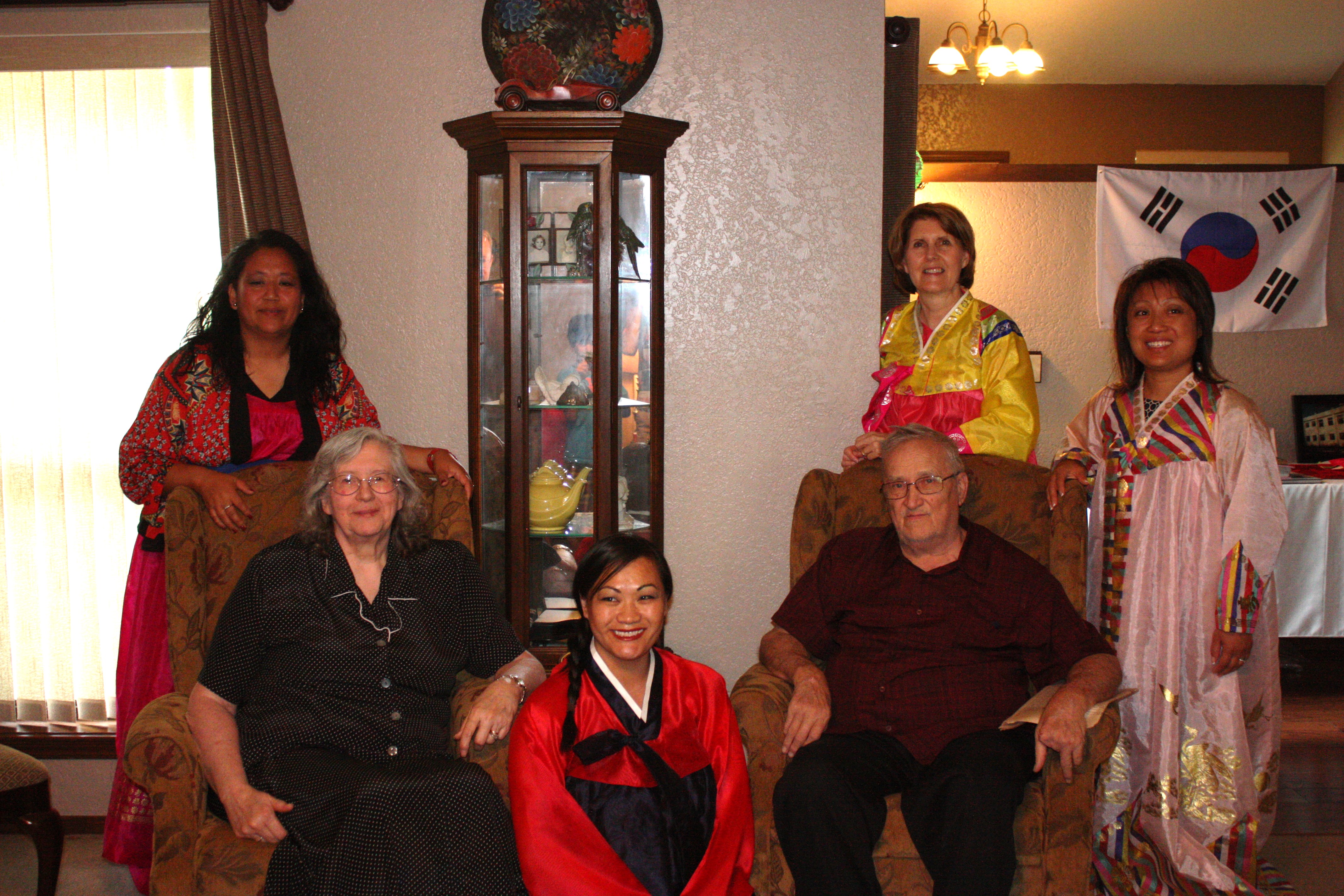
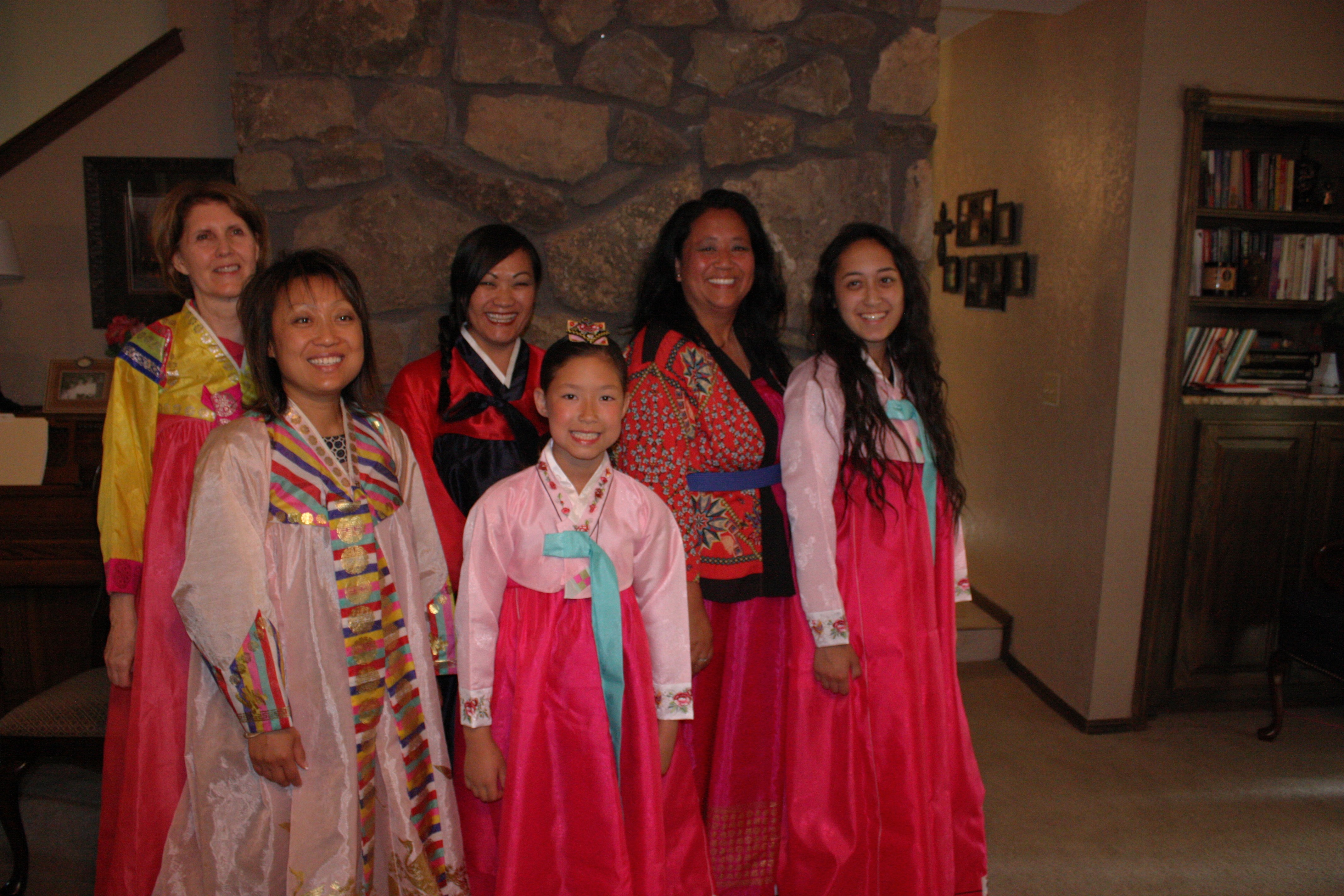
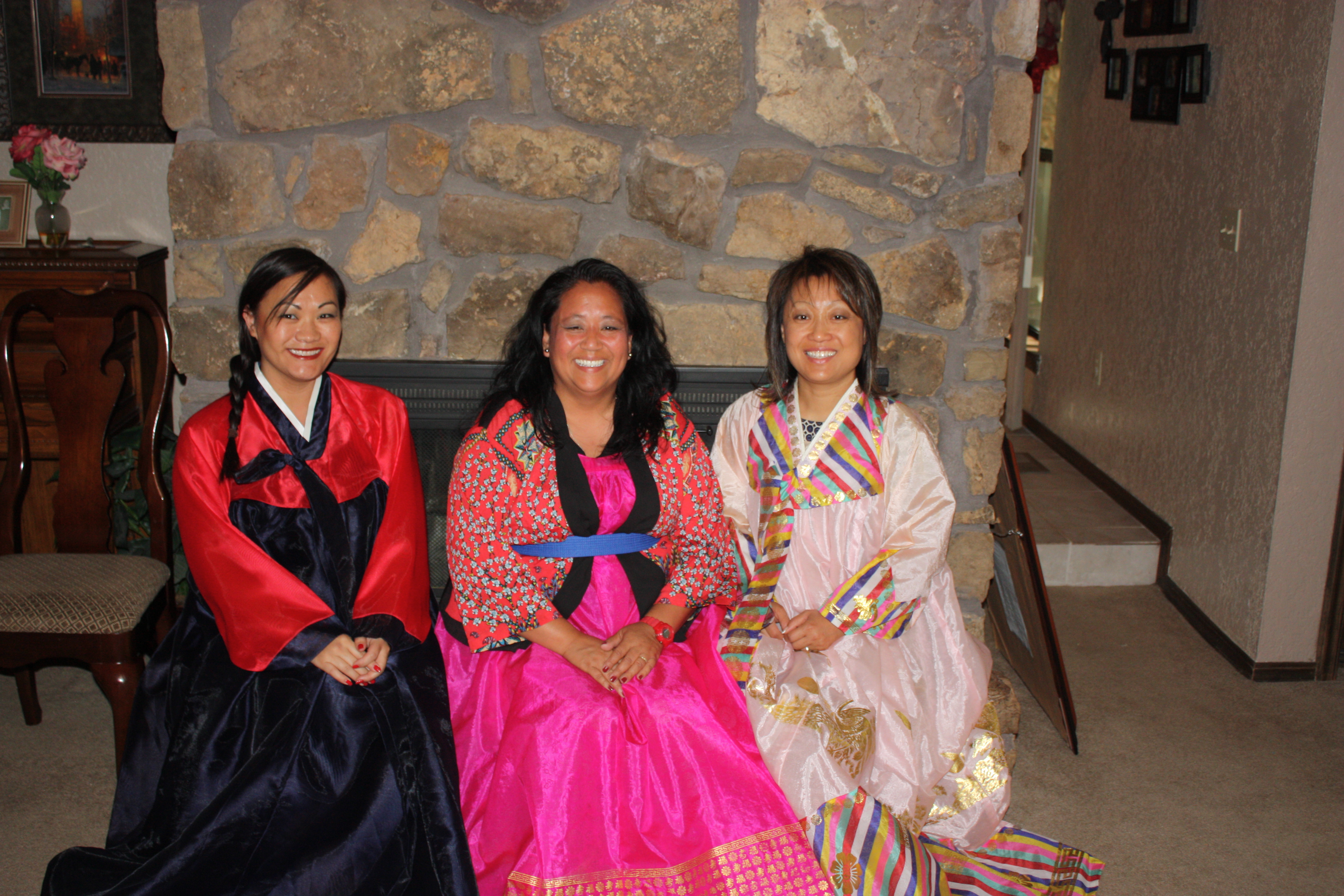
I feel like the godparent of these precious ones, some of whom lived in the orphanage the same time I did. A few girls got together in June 2014 for the first time. Rick Matthews, a GI who lived there and adopted a Korean baby too, came with his wife from Kansas.

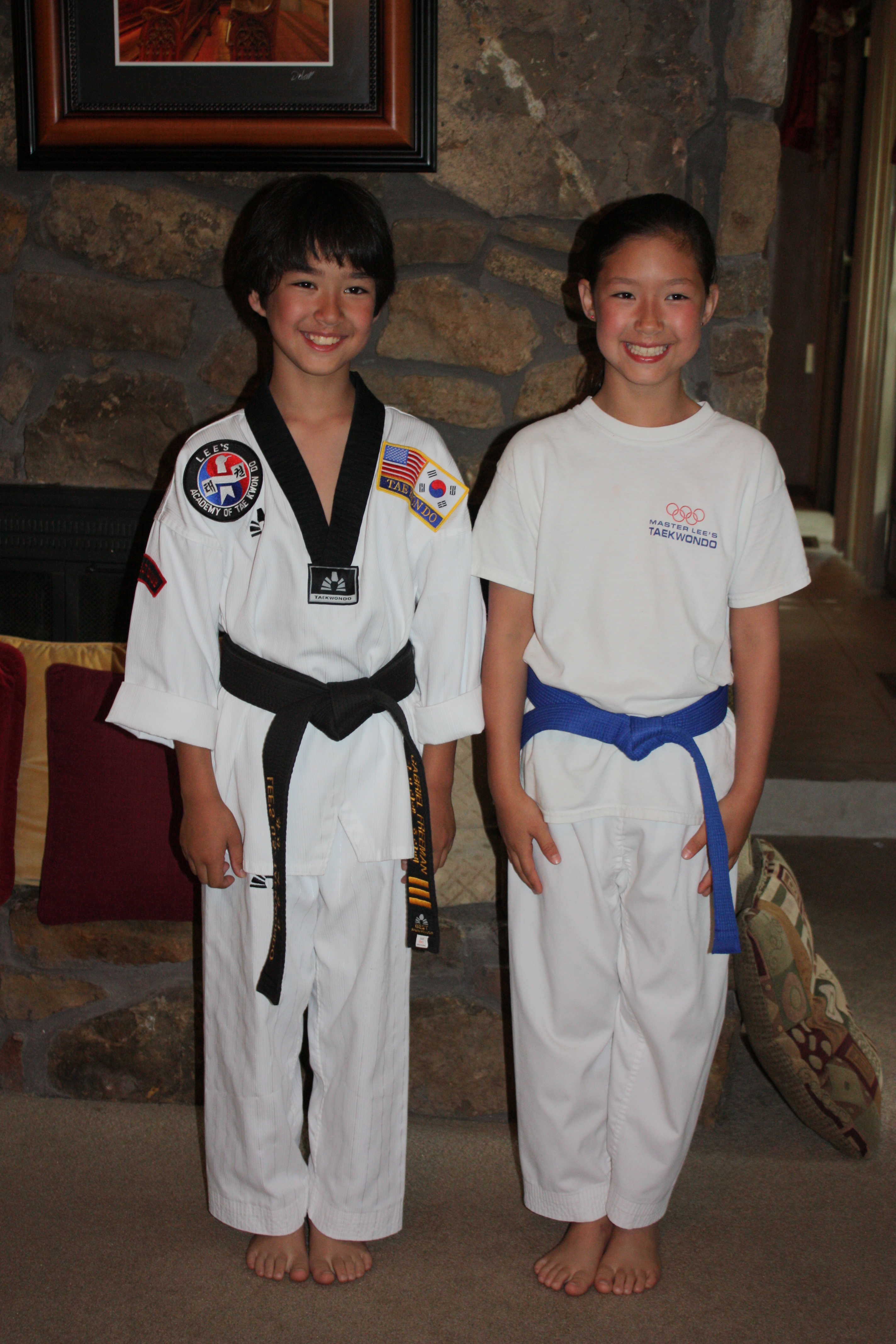
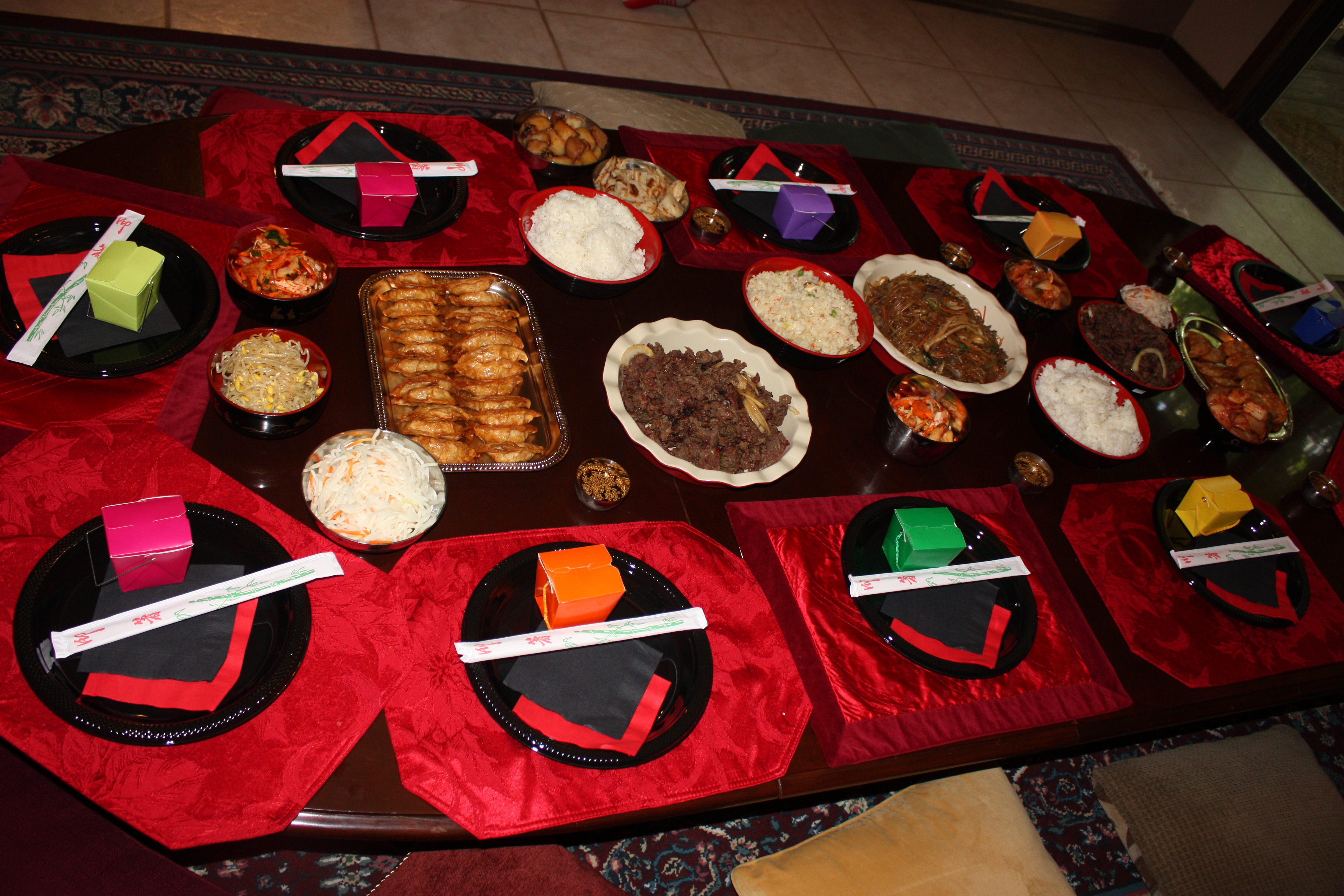
We turned my house into a mini-Korean gajeong. We lowered the dining room table so we could sit on the floor. We tried on gorgeous hanbok dresses, watched an excellent tae kwon do performance (one of my Korean grandsons is a black belt) and catered in the most delicious Korea bulgogi and kimchi we could find. Then to top it off, we made homemade bimbops!

2014 06 21 korean (21)

2014 06 21 korean (10)
All in all, it was a success and a whole lot of fun. I hope more of the Ilmagwon girls get to come next time!

Korean Adoptees Find Each Other

Adoptees from the small Ilmagwon Orphanage in Gunsan, South Korea, are connecting after almost forty years!

My two adopted daughters, Gina and Treasure, and I returned to Korea for the first time in 2012. I was in Korea from 1972 to 1974, living several months in the orphanage. We met the same woman, Mrs. Park, who ran the orphanage while we lived there. The one who cared for hundreds of babies and children is now 91 years old but she remembered us. This godly caretaker had prayed for her babies and their adopted families.

2012 korea trip 149

I sat in the orphanage office and looked at a photo album with baby pictures. Each abandoned baby had been assigned a page and a number. I saw baby pictures of my girls on numbers 134 and 141. As I flipped through the pages, I saw babies/toddlers I remembered and I cried. I had spent many hours sitting on the floor holding those babies and hugging those toddlers. What had become of all those bundles I wanted to take home with me and couldn’t?

ry=400[1]

I wrote several blogs about the Korean trip and posted old pictures of the orphanage. My daughter, Treasure, even blogged about it.

Most Korean adoptees are from Seoul, so only a few were adopted in the 1970’s from Ilmagwon Orphanage in Gunsan. Men and women from the U.S. Kunsan Air Base “Wolfpack” still visit consistently and help the children. I’m so proud of them. It is not a babies home any more but I think about 70 children live in the orphanage now.

It was amazing, a dream of a lifetime to return to Korea, but the most amazing thing has happened since we returned. Angela from California, another adoptee, who lived in the orphanage at the same time as my daughters, contacted us. She had found us through my blog. She was number 140. She was in the orphanage at the same time as my daughters! She was one of those babies I held! My heart about flipped with joy when I met her for a few minutes in the airport when coming back.

Then another girl wrote, Nikki from Alabama, saying she was also from the same orphanage at the same time. Then Michelle, then Mindy, then another and another.

Eleven of the Korean Adoptees from the 1970’s have found us! They live across the U.S.—from Oklahoma, California, Alabama, Kansas, Texas, New Jersey, and Arkansas! If we had visited Korea ten years ago, this internet connection might never have occurred. Only God can do something like this!

Forty years after I left Korea with two precious little ones, we plan to have an Ilmagwon Sisters reunion – some time in 2014. Mrs. Park will be thrilled to find out these children of hers are connecting and I’ll be glad to give them all a big hug!

You are loved,
Kathryn

Mrs. Park: A Saint Who Loves Children

I think her birthday is May 19, 1922. That makes her Korean age 92 this year.  Korean age accounts for the time a baby is in the mother’s womb. She came from a well to do family, I seem to recall, but they lost their money/fortune.

Park Kung-Hee worked for the Salvation Army (SA) and was a vice-chair of women’s side at the time.  She gave speeches and visited Los Angeles as a Korean ambassador for a sports event, also visiting San Franciso about that time. She met her husband, whose family were farmers, at the SA because he also worked there.

In 1965, she and her husband were asked by SA to start an orphanage in Kunsan, Korea, which they did.  When the Salvation Army wanted to move them to another position/work, they felt God’s calling them to continue to work for the orphanage, so they retired in order to stay there.  It was a difficult time in Korea, with many babies being abandoned.

The two babies I adopted.
After Mrs. Park retired from SA, she used some of her financial assets and all of her retirement funds to buy more land for the orphanage as well as more goats.  The facility was too small for the number of babies at the time.

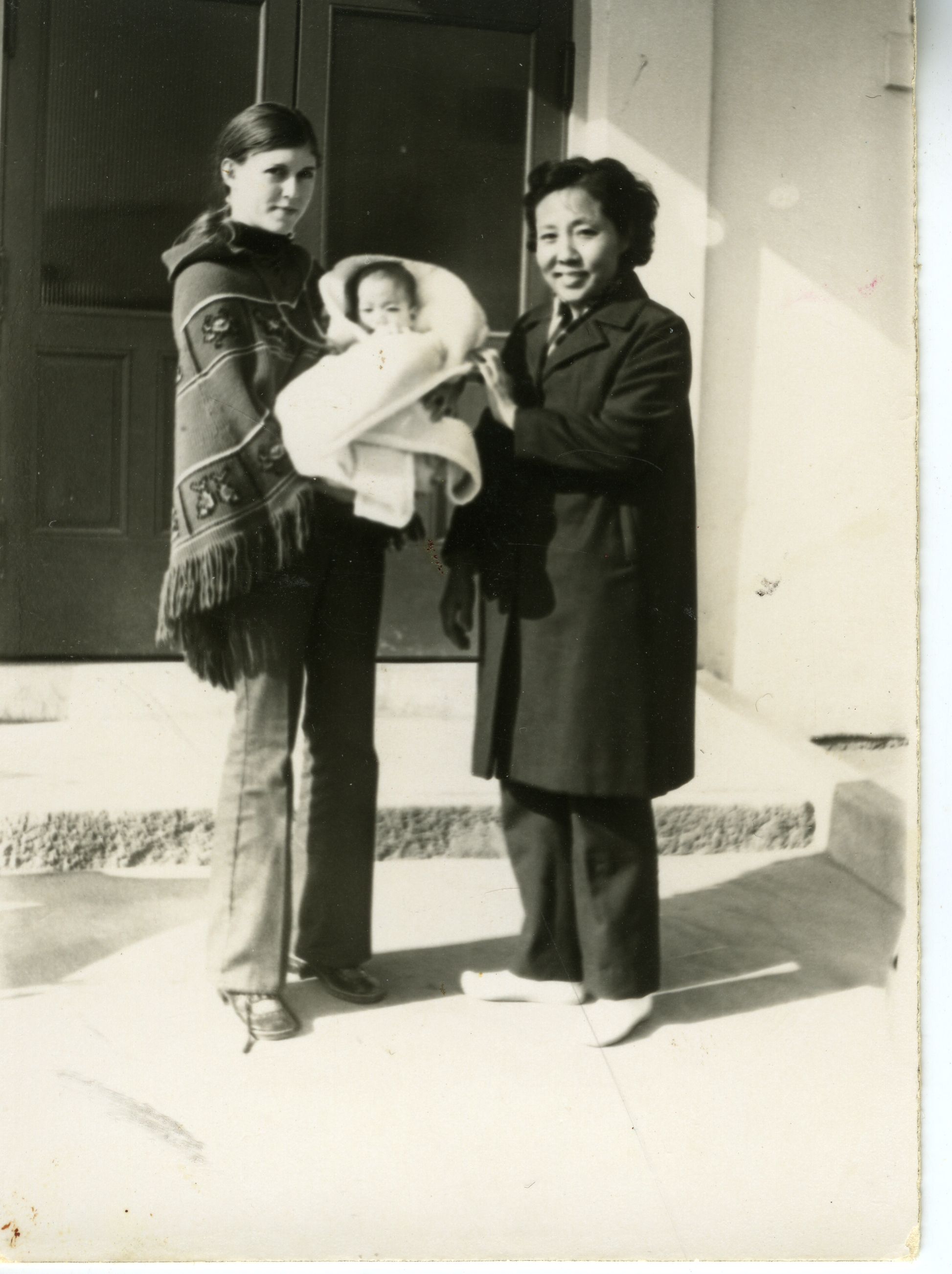
I visited the Ilmagwon Orphanage ( or Il Maek Won)  for the first time in 1972 where about 100 babies, children under 5 years old, lived. I met Mrs. Park and her family who lived above the orphanage. I arrogantly thought she was old back then, but I was barely twenty, so that can be excused. Her sweet spirit was evident even then, when I took home two of her babies as my own. She has kept records of each child who has lived with them.

Mrs. Park is a godly, Christian woman, and I am sure no one can count the number of people she has touched through 92 years.

After almost 40 years, I went back to the Korean orphanage and visited her in June of 2012. Her gentle spirit welcomed my grown daughters and I. Treasure, one of my Korean daughters, said, “Mom, I think I would have known about God even if I had stayed in Korea.” I agree, because Mrs. Park would have made sure of that, just like she did the other orphans.

When I told Mrs. Park that my husband had left me soon after adopting the two babies, she said, “It must have been hard for you to raise daughters by yourself.” Such graciousness from a woman who literally raised hundreds of children herself!

Meeting Mrs. Park was the highlight of my trip to Korea. God reminds me that He has placed saints in strategic places all around the world to glorify Him and to do His work.

You can see details of our trip on my daughter’s website:

http://adventureontreasureisland.blogspot.com/search/label/korea%20trip%20of%20a%20lifetime