Overnight Chefs

My 11-year-old twin granddaughters become chefs overnight. It happened last week when they asked to use my kitchen for an hour. I hesitated, like any normal adult would who has ever been a kid. The hesitation passed in my desire to keep them happy, and an hour later, I beheld their amazing work. They somehow found a Dutch Apple Pie recipe in my trove of cookbooks; converted it to Apple Cupcakes; made their own homemade pie crust, used apples from the apple tree in my back yard and came up with an amazing, delicious desert. Wow!

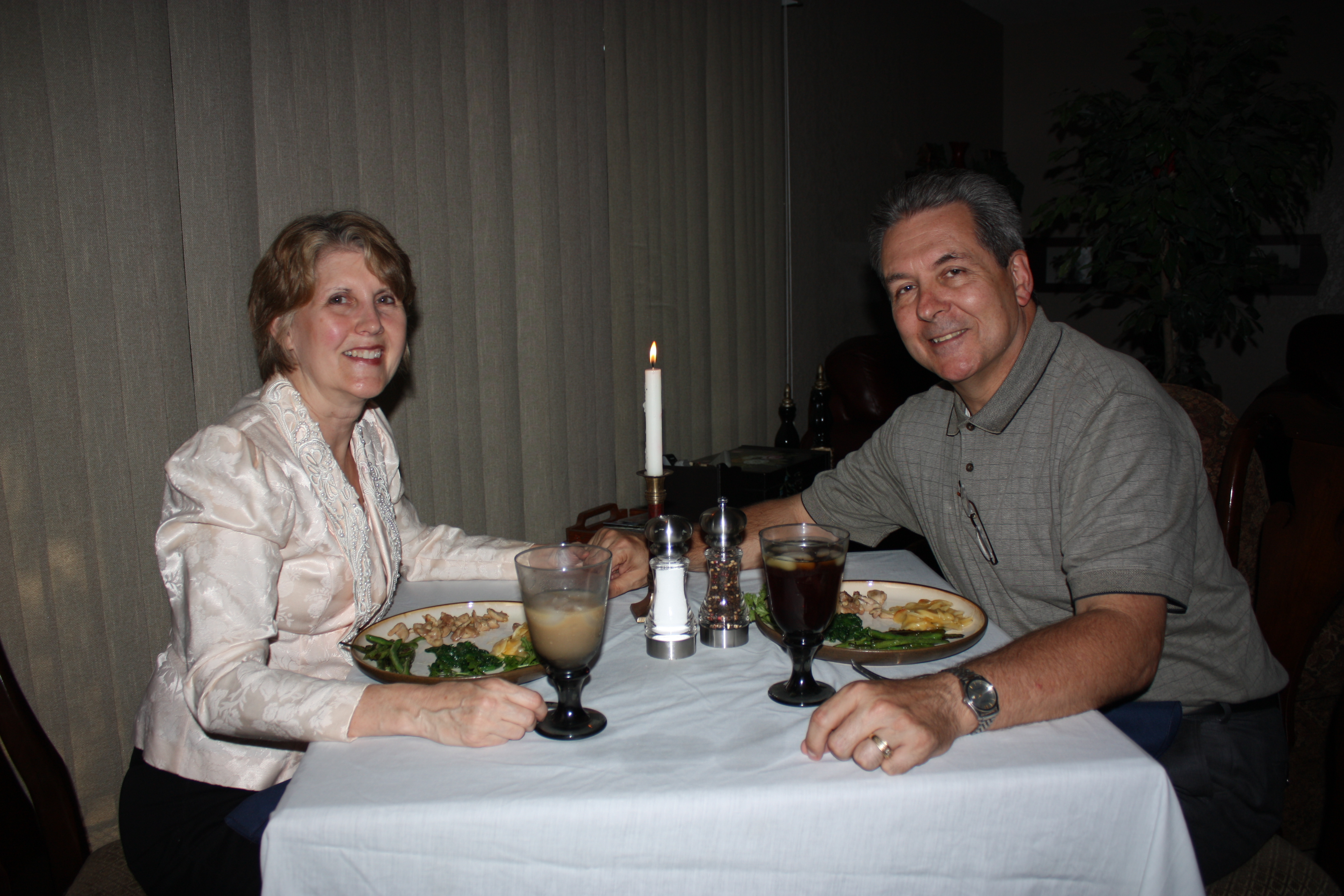
Not finished showing off their culinary skills, the girls requested permission to cook a “special” dinner for my husband and I. What? I should have had more confidence in their abilities, but, okay, the hesitation faded again. We drove to the grocery store where they chose the food, then they set a table complete with candles, donned aprons, and Voilà – a wonderful meal.  The reasonable prices on the homemade menu began with shrimp cocktail for 25 cents! I do believe we have connoisseurs in the making. Here are a few pictures of that premiere meal.

Dutch Apple Cupcakes


The secret recipe.


Special jewelry they made earlier.
They insisted I dress up!

Oh, I failed to mention the blueberry pie, honey candy and jelly rolls they made the next day!

Persecuted, not abandoned

I picked up a James Michener book for the first time in years. I paid $1 at a thrift store, and yes, I’m a book-lover junkie. Michener’s extra-long books delve into the very heart of a location and takes forever to complete, but I’m about 1/3 way through.

By no means a historian, it appears that Poland suffered more than their share of attacks in the past 800 years. From the east in the 13th century, Genghis Khan and his fierce army;  then from westward countries like Germany who expanded using the excuse of Christianizing; next attack marched in from the north, Swedes trying to gain control of the Baltic;  then from south, Islam expanding. Each invasion ransackedvillages, burned castles, murdered thousands, raped, and slaughtered children. What a history.

Poor Poland, in the middle, did not defend itself very well. Another surprise. It was a Christain country from way back, despite Germany’s false attestations. Note the many cathedrals destroyed. Monks and priests killed.

According to Michener, the country faltered partly because of poor leadership. And they were surrounded by enemies on all sides. But why would God allow a Christian country to suffer so much? A tough question, especiallly knowing their problems in the last decade. 

It reminds me of the verse, “We are hard pressed on every side, but not crushed; perplexed, but not in despair; persecuted, but not abandoned; struck down, but not destroyed.” 2 Corithians 4:8.

Christianity still stands. So does Poland.

The World as a Battlefield

Our response to war, an atrocity impossible to understand, is the subject of Chapter 5 of No Small Snakes. (Finally something good after trudging through the first chapters.)
Gordon Dalby writes, “Clearly, something more evil must underlie war.” Duh.

Remember all those wars in the Old Testament? How do we reconcile that with the love of Jesus? Dalby explains that “the God of Israel tells His people to distrust  military power—not because it’s intrinsically evil, but precisely because it keeps them from recognizing and trusting in His power instead. War is idolatry, insofar as it leads people to look for saving power in their weaponry instead of in God.”

 Are Americans looking for safety through military might?

Dalby also states: The people of Israel did not recognize Jesus, not because they had wrongly expected the Messiah to be a warrior king, but because they did not recognize the war He had come to win.

 Aha, the earth as a battlefield.

 “This is not, as Wiesel warned, to embellish guns and bombs  with a ‘spiritual dimension,’ but rather to engage an entirely new dimension of war itself, in which guns and bombs are subject to God’s purposes, if not irrelevant.

The question is not: Shall I spend my energies working for disarmament or praying, promoting peace candidates or fasting, reading the editorial page or the Bible? (Or going off to war.) The question is: How can I be so wholly submitted to God that I can both hear and respond when He calls me to any of these?

Effective peacemakers in the world must first and foremost be warriors in the kingdom of God. War ceases – not when vanquished surrenders to victor—but rather when all of us surrender to Jesus.

Peace is defined not by the absence of conflict but by the presence of God.”

 Dalby, I think you’ve got something here.

 You will succeed, not by military might or by your own strength, but by my spirit. Zech 4:6

 Taken from Gordon Dalby in No Small Snakes

Antioch VBS

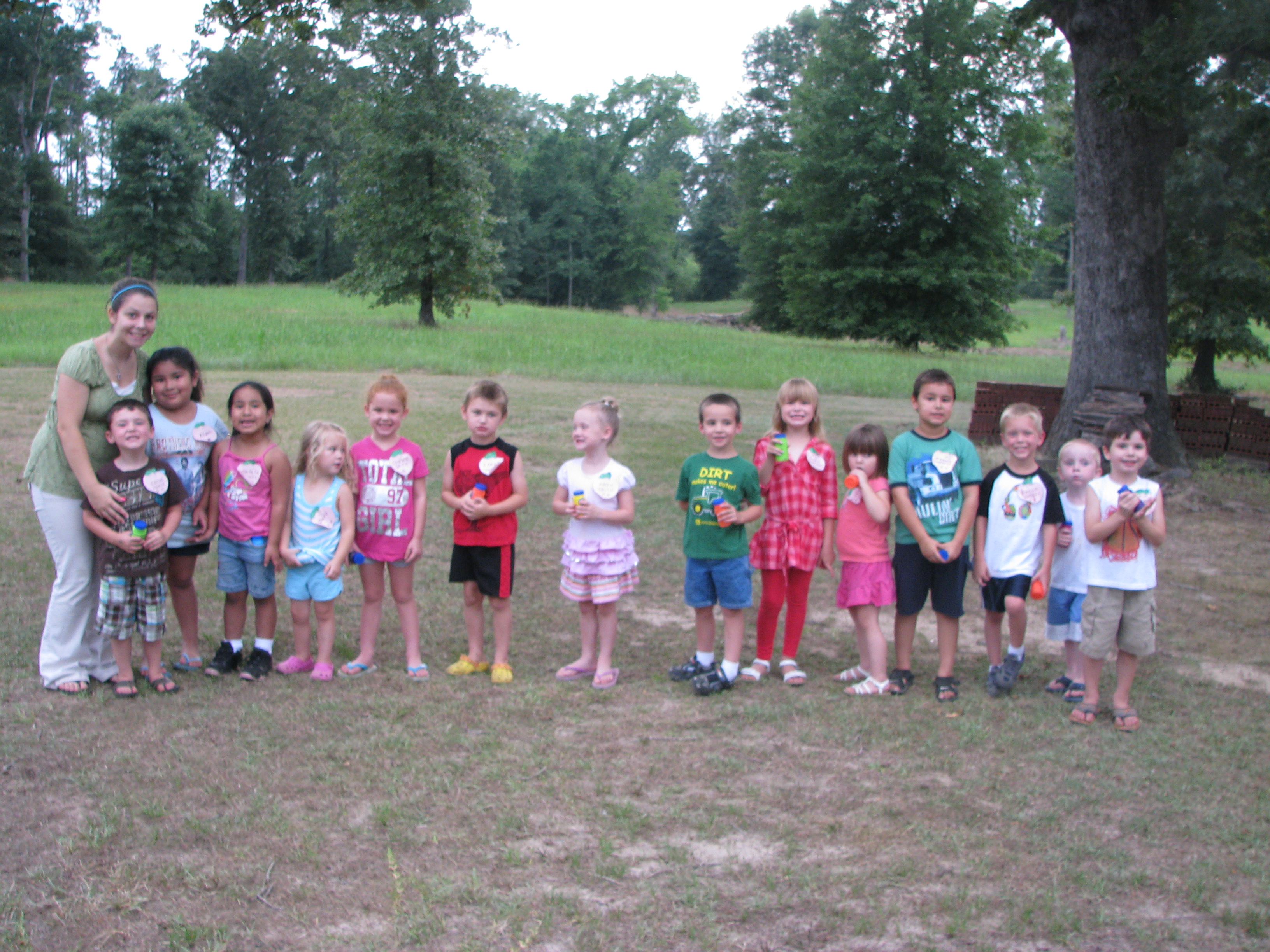
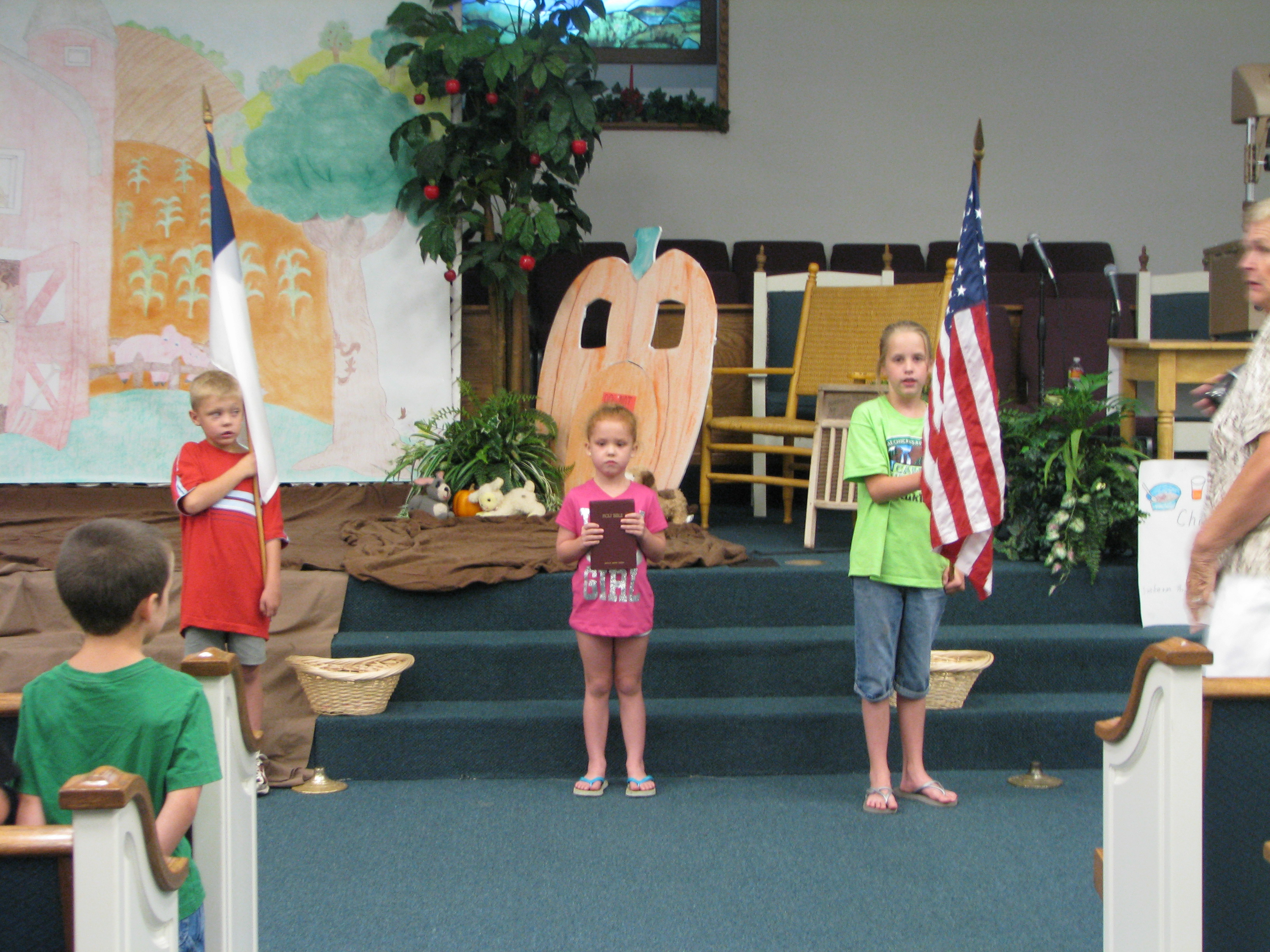
Reminded me of  VBS at Pink Baptist. Back when we played Red Rover and had cookies and kool aid around the picnic table. Of course, today’s kids don’t have outhouse like we had though. Here’s some pics of last week’s VBS in Antioch.

Three & four year old class
Rene's class
Pyramid!

We had a large group for such a small church. Theme was fruits of the Spirit.

Ma, the director and piano player.

The Spirit of a Chinese

 Two Chinese girls relayed insight into their culture. Majoring in English, they attended UCO for one semester and returned to China to complete their degree. They lived with us for a few weeks several years ago.

 We exchanged many books and one that S. gave me was The Spirit of the Chinese People, a book written about 100 years ago but still widely read in China. Like she said, “I thought it was logical and never questioned it.” [I believed some things in the book but I questioned much of it. However, it did help me understand some of the Chinese thinking.]

Confucianism, according to the author Hu Hong Ming, claims to be a substitute for religion. He proposes that religion offers people two main things – security or order, and permanence or eternal life. Confucius offers to fill these two needs in a  totally different way. [Interesting how he acknowledges these two needs are universal.]

First, Confucianism teaches that loyalty to the King or Emperor can maintain order and offer security. This is the idea of the State. The author contrasts Confucianism to European religions. “A religion in the European sense of the word teaches a man to be a good man. But Confucianism does more than this; Confucianism teaches a man to be a good citizen.” In Confucius own words, he states that “If you live as a dutiful son and a good citizen, you have religion.” [In my opinion, a good man will be a good citizen and good soon, but a good citizen or son may not necessarily be a good man.]

 The second universal need, permanence, is fulfilled by loyalty to the family or ancestors. Or ancestor worship. I have never understood this but when I talk to the Chinese college students they are fearful of letting their parents or grandparents down. Eternal happiness is dependent upon your prodigy remembering you. Otherwise, you are lost. [Remember the “dutiful son” comment from Confucius above.]

Do you see the implications? Chinese students are very loyal, maybe more so than we are. In Confucius-based countries, loyalty to the State and to the family is fiercely taught and followed.  It is a way of thinking. Completely accepted.

The author further defines religion in a broader sense, as a system of teachings with rules of conduct, so he therefore acknowledges that Confucianism has become like a religion.

One difference, Ming states, is that Conficianism did not come from supernatural means.

And, we know that Christianity did.

And Christianity also meets people’s basic need of security and eternal life.